Meeting Le Yack: from street art to neo-realism
Where his name comes from, how you go from thirty years as an art director to the studio, and why he refuses to be pigeonholed: an interview.
In today’s crowded art world, some careers stand out because they refuse labels. Alexandre, who signs as Le Yack, is one of them. An art director in publishing for nearly thirty years, a graphic designer, illustrator and video maker, he knows the grammar of images inside out. He is also a graduate of the School of Fine Arts. That duality is his strength.
Where does the name “Le Yack” come from?
“The name goes back to the time when I did a lot of video reporting in the field. I used a camera with a microphone fitted with a big furry windshield to cut the wind. To me, that thing looked like a yak! It became a nickname on shoots first, and it stuck. When I came back to painting seriously, it was a fun, natural way to bridge my past behind the camera and my present as an artist.”
How do you go from thirty years of images to the studio?
“It wasn’t a break, more of a reconnection. I spent a large part of my life in publishing as an art director. That is where I sharpened my eye for composition, typography and visual impact. I am a Fine Arts graduate: I know my classics, the technique, art history. That culture is my foundation.”
“The trigger came, as it did for many people, during Covid. Time stood still. I reopened my old student boxes full of sketches. The urge to take it all up again, to get my hands back into paint, was visceral.”
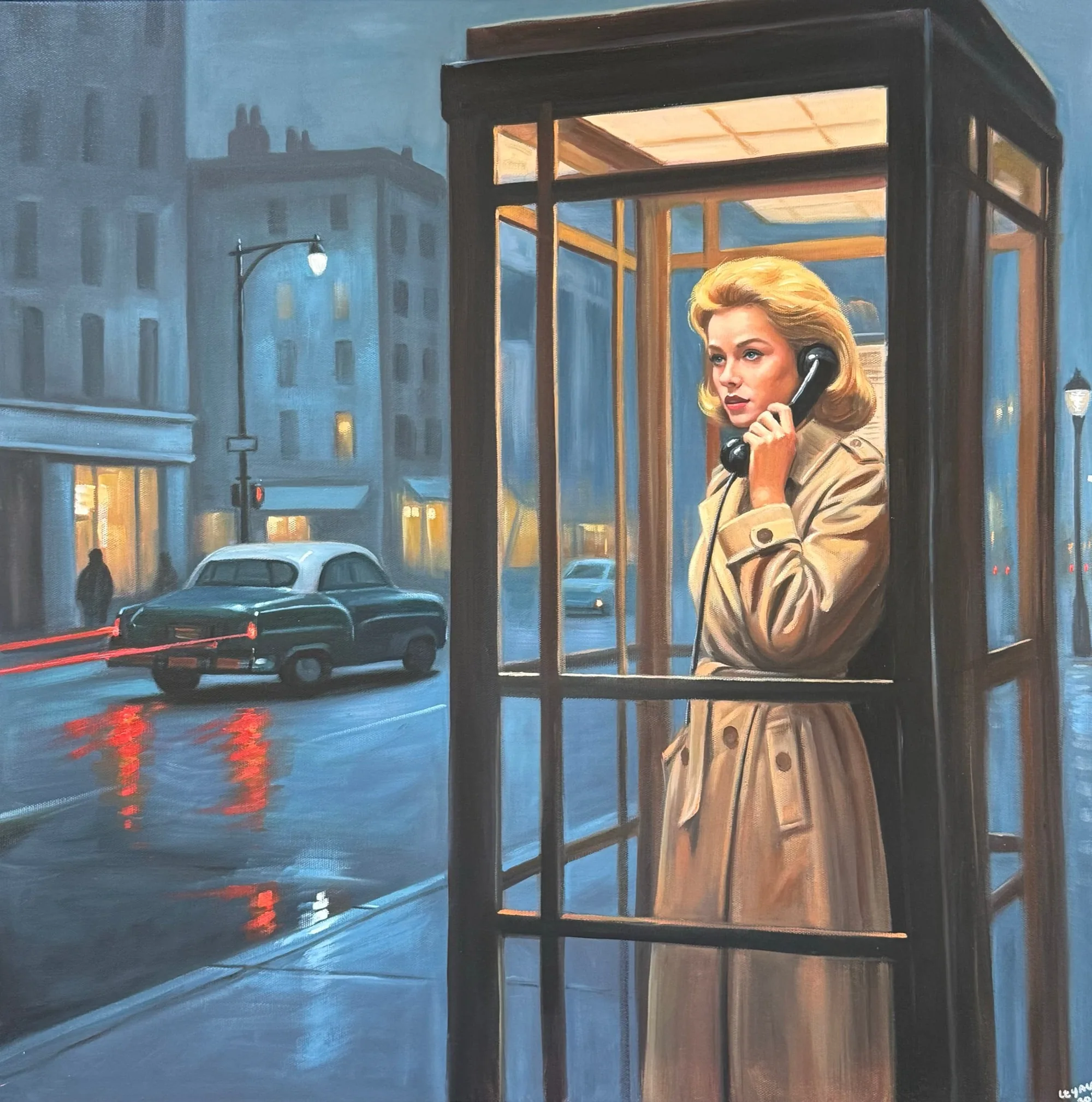
How would you define your style?
“I am a born experimenter, and I really don’t want to box myself in. I started again with a street-art and pop-art style for my first exhibition, at L’Empreinte Galerie in Orléans. I love that mix of genres, that immediate, punchy graphic culture: that is the art director in me speaking.”
“Over time my work is moving towards a more neo-realist, more introspective style, perhaps more ‘painting’ in the noble sense of the word. I start from the classics, from the academic grounding I master, to try to make something new. I don’t want to choose between the energy of urban graphics and the depth of realism, and I stand by the curiosity that makes me keep questioning my work.”
Interview first published on the former leyack.fr
